
Krafton Did What ChatGPT Said. The Court Reversed It All.
The CEO who let ChatGPT make the call ended up owing not ₩325 billion (~$250M) — but trust.
Opening
Hello, dear reader. A remarkably interesting court ruling was recently made public. The CEO of a globally successful gaming company grew anxious about a looming payout when it looked like an indie studio’s sequel was headed for success, and asked ChatGPT exactly this: ‘Is there any way to avoid paying the $250 million I owe under contract?’ ChatGPT initially said it would be difficult. But when the CEO kept pressing, ChatGPT came up with a surprisingly plausible strategy. Form a task force. Get ahead of gamer-community sentiment. Lock down Steam publishing rights. Systematically prepare legal defense materials.
The CEO carried out that strategy almost to the letter. The result? A Delaware court ordered every single measure undone. The fired director was reinstated, publishing rights were returned, and the earnout deadline was extended by 258 days.
The company at the center of this story is Krafton, the maker of PUBG: Battlegrounds. Today, I want to explain why this isn’t just another gaming-industry dispute — it’s a case study in the structural traps of decision-making in the age of AI.
🎮 A $500 Million Acquisition, and the Regret of a ‘Bad Deal’
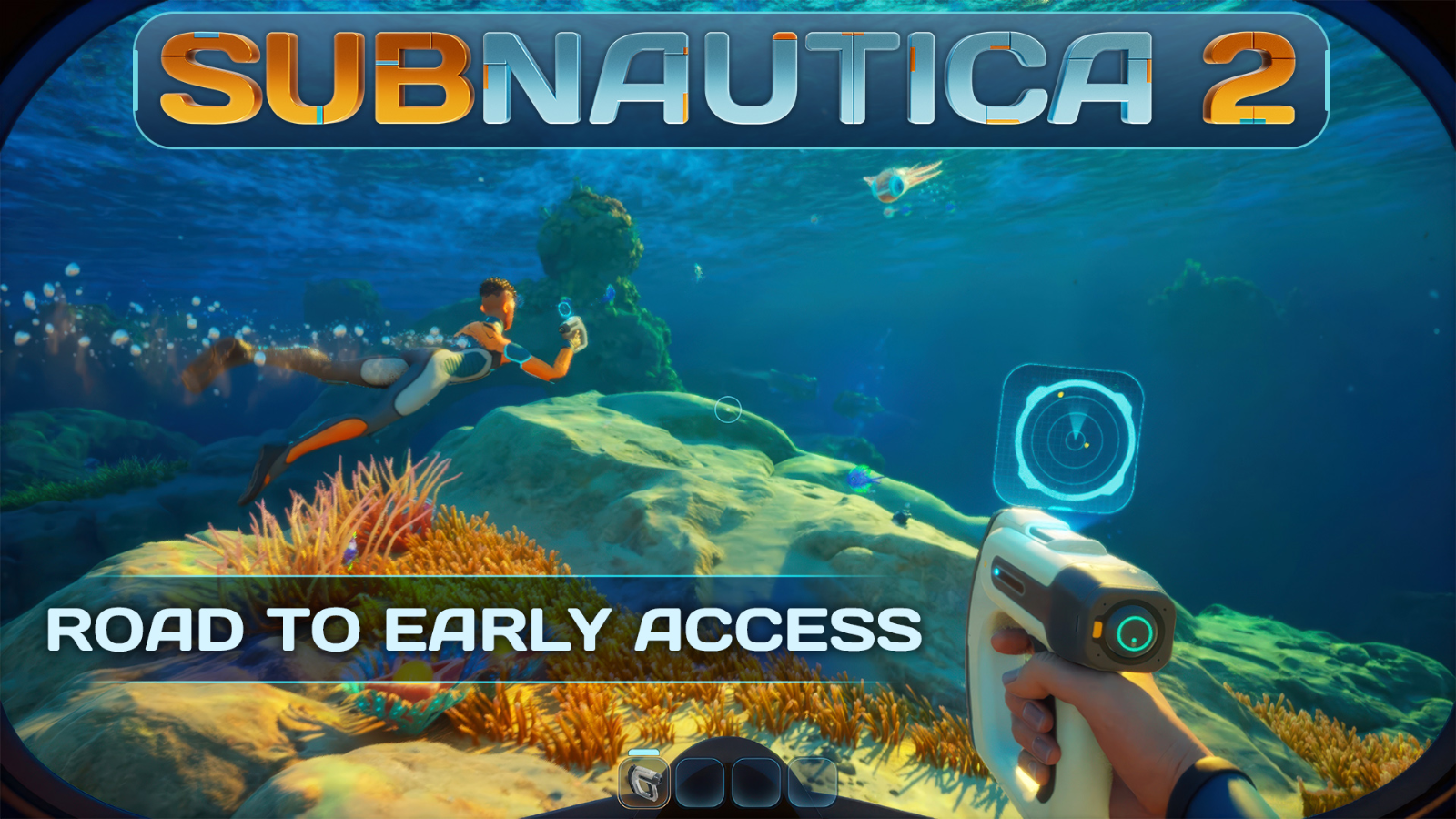
In 2021, Krafton acquired Unknown Worlds Entertainment, the American indie studio behind the undersea survival game “Subnautica,” for $500 million (about ₩650 billion). One more condition was attached: an earnout1 agreement under which, if the sequel Subnautica 2 hit certain revenue targets, Krafton would pay up to an additional $250 million (about ₩325 billion).
The structure of this deal was unusual. Once revenue crossed a $69.8 million baseline, Krafton had to pay $3.12 for every additional dollar earned — a highly leveraged structure, capped at $250 million. Co-founders Charlie Cleveland and Max McGuire, together with CEO Ted Gill — three people in total — were designated “Key Employees,” guaranteed operational control of the studio for the duration of the earnout period. Grounds for termination were narrowly limited to cases like felony conviction, willful fraud, or trade secret leaks.
The problem surfaced in the spring of 2025. As Subnautica 2’s Early Access launch approached, Krafton’s internal finance team ran revenue projections. They forecast sales of more than 1.67 million units by the fourth quarter following the August 2025 Early Access launch, putting the earnout payout at $191.8 million in the base scenario and $242.2 million in the best case — essentially at the cap. In some scenarios, the earnout payout even exceeded Krafton’s own valuation of the studio.
Here’s something worth noting: the earnout agreement itself was a condition both sides agreed to at the time of the 2021 acquisition — a structure Krafton itself proposed in order to win the bidding war. Paying extra if the game succeeds also means, conversely, not having to pay if it flops. It was a risk-reducing device for the buyer, too. But once it looked like the game was really going to succeed, that very risk hedge turned into a burden.
Court records show that Krafton CEO Kim Chang-han called the deal a “bad deal” in an internal Slack message and said he felt “taken advantage of.” He was also reportedly worried that paying the earnout would make him look like a “pushover.” Maria Park, head of corporate development, warned that “even if the Key Employees are terminated, the earnout must still be paid, and doing otherwise exposes the company to litigation and reputational risk.”
Related issues
🔒 Italy's New Law: Paid Leave When Your Pet Is Sick
Italy just made pet sick leave a legal right — and Korea's numbers suggest it might not be far behind.
🔒 Tokens Are the Product: Inside Alibaba's Token Hub
In China, the idealism of AI research is colliding head-on with the realities of monetizing a business.
🔒 The Price of One Token Changes Everything
A 125x gap — $25 vs $0.20 per million tokens — is quietly redrawing who can afford to run AI
Your take shapes the next issue
Reply with your experience or perspective — the best responses feed into future issues.
Sign in to commentAny registered reader can comment — it takes 10 seconds.